Deep divers
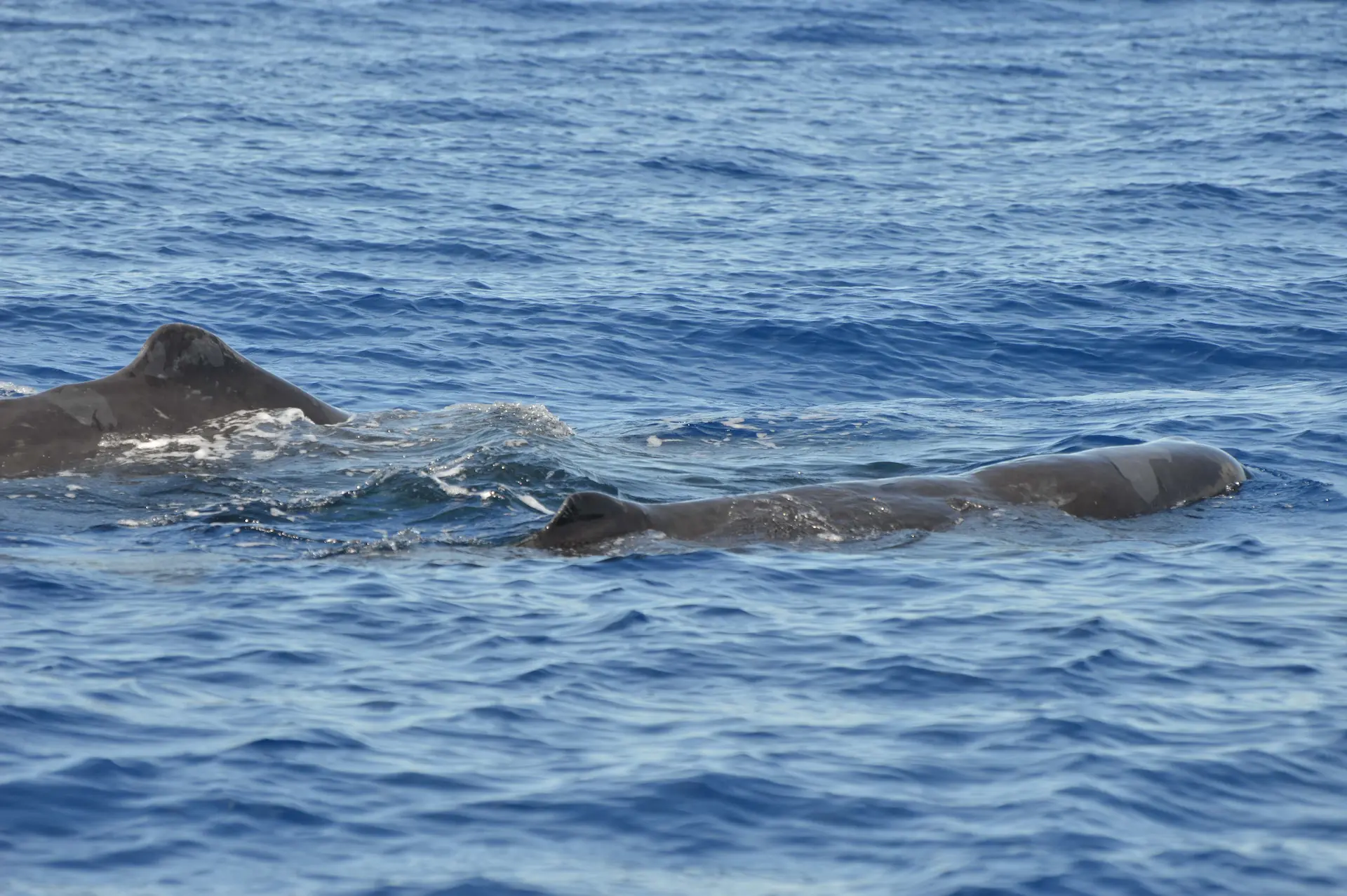
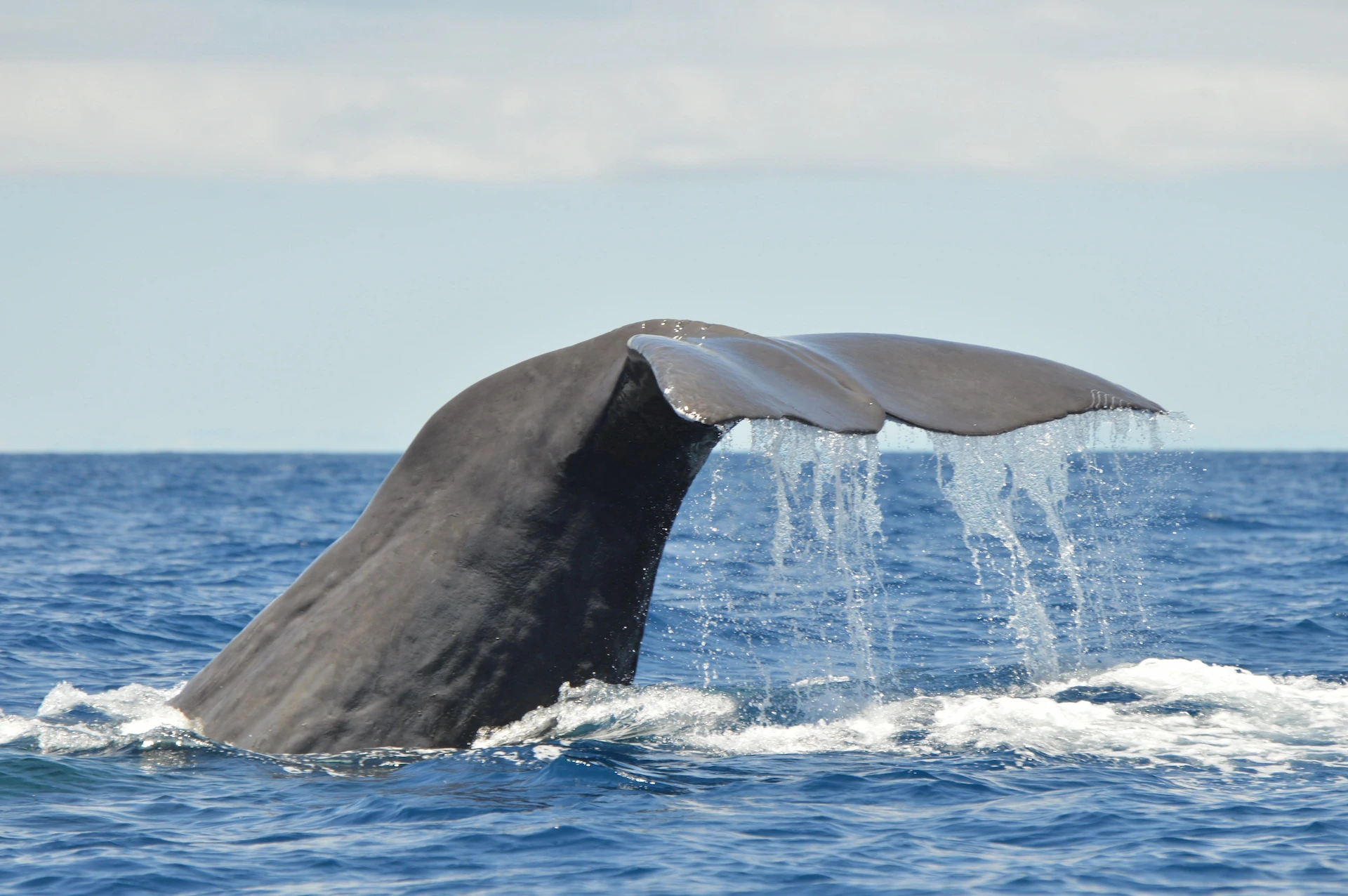
Sperm whale
A powerful presence. When a sperm whale appears, the ocean feels bigger — and quieter. Your guide will explain surfacing patterns and why these deep-water giants are such a special encounter.
Tenerife isn’t just a beautiful island — it’s a living ocean landscape. Deep waters, shifting currents, and a rich marine ecosystem create a place where wildlife encounters feel possible, and sometimes unforgettable. This page is your guided introduction: species you may encounter, why Tenerife shines, and who we are at Whale Express.
Some places feel like they were designed for wildlife watching — Tenerife is one of them. Here, the ocean deepens quickly, the water stays inviting across seasons, and the marine ecosystem is remarkably rich. That combination creates a stage where whales, dolphins, seabirds, and turtles can appear in the same story.
The best encounters aren’t rushed. They’re quiet: a change in direction, a breath on the horizon, dolphins cutting perfect lines through sunlight, a guide explaining behavior you might otherwise miss. We built Whale Express for that kind of moment — small group, premium comfort, and respect for the animals.
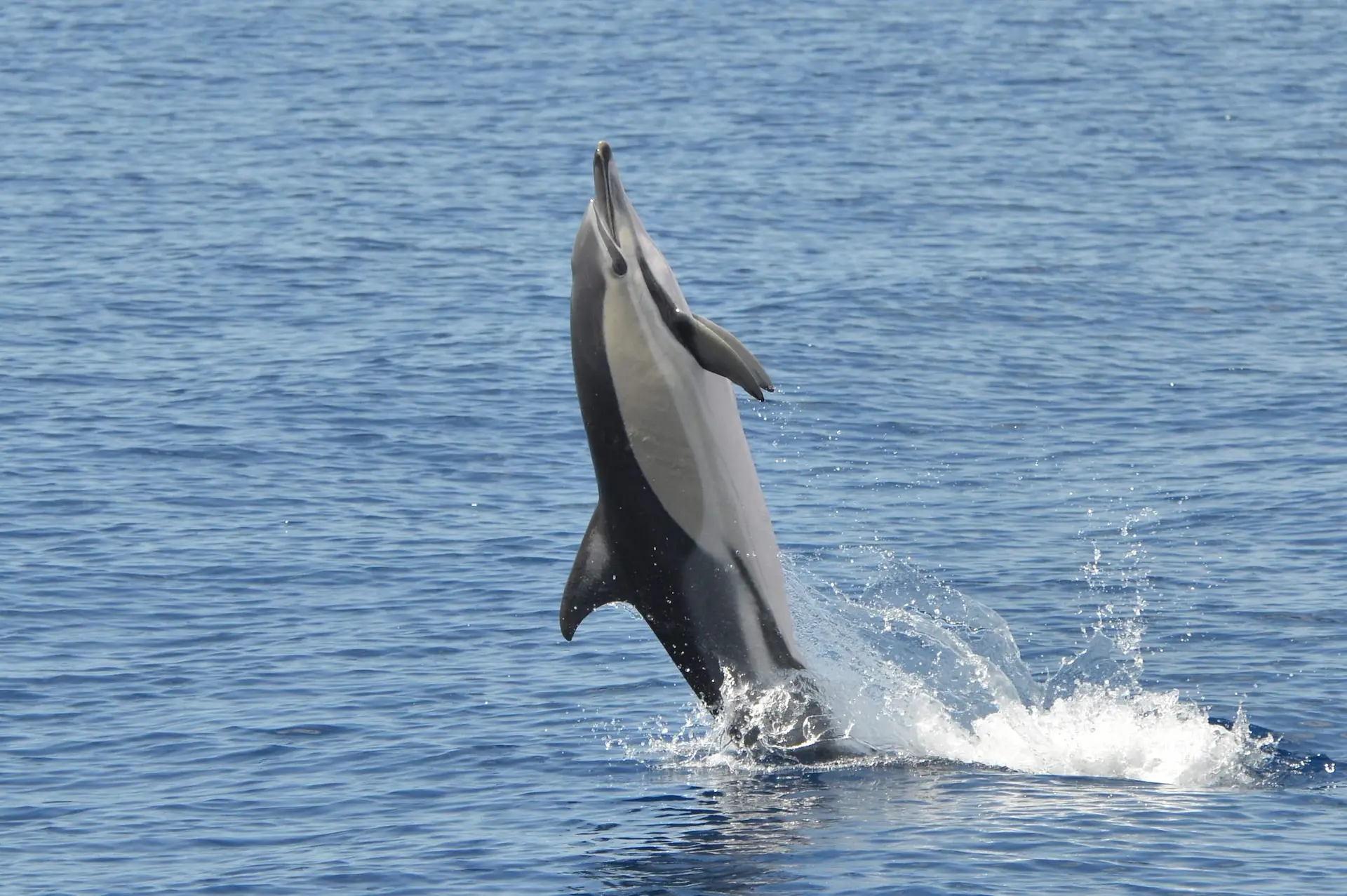
This is not a zoo list — it’s a field guide. Nature doesn’t follow a script, but it does leave clues: a fin shape, a surfacing rhythm, a flock of seabirds, a sudden stillness. Your guide helps you read the ocean.
A powerful presence. When a sperm whale appears, the ocean feels bigger — and quieter. Your guide will explain surfacing patterns and why these deep-water giants are such a special encounter.
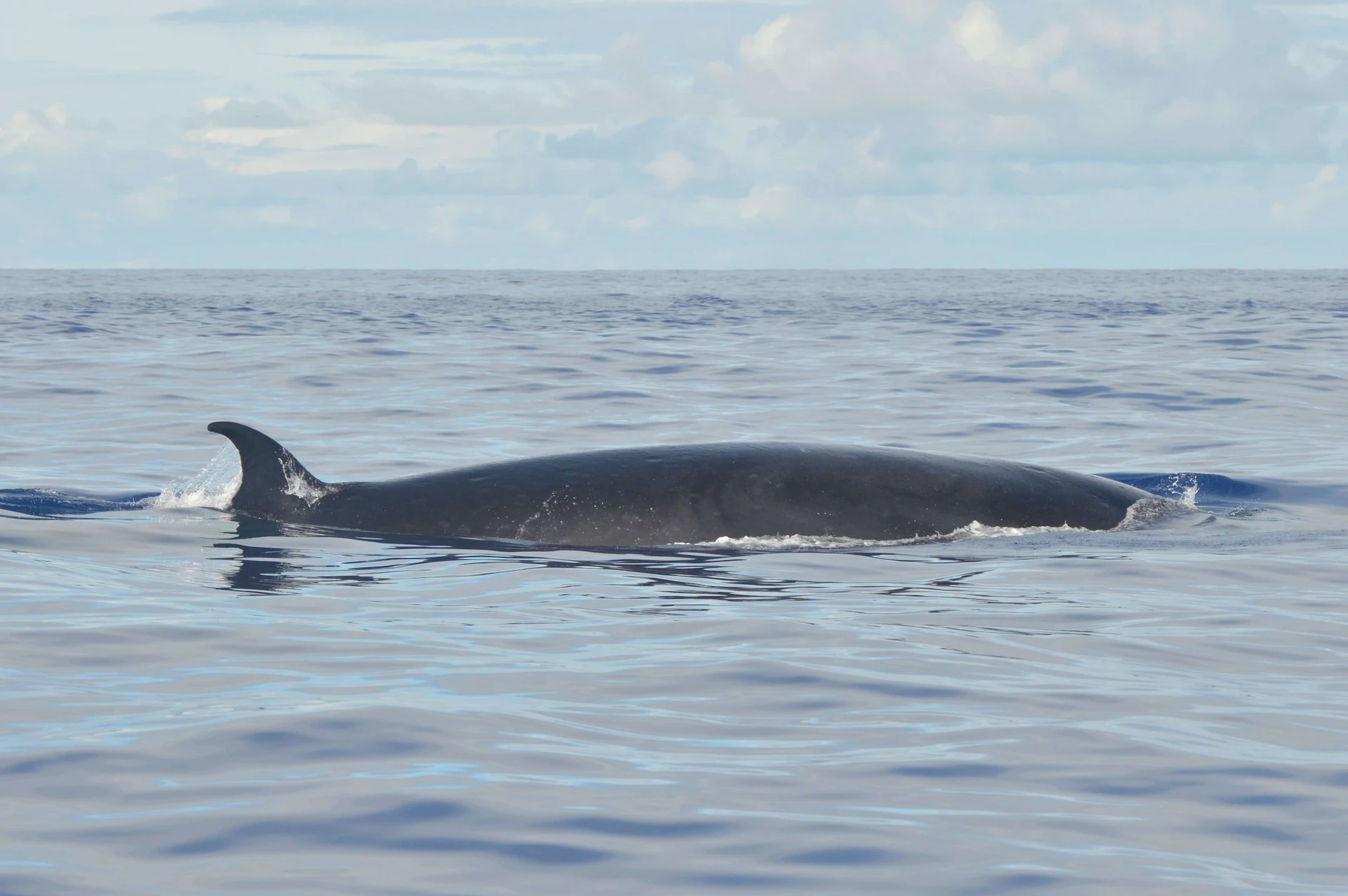
Sleek, steady, and surprisingly elegant at the surface. Bryde’s whales often reward patient watching — a clean line, a subtle blow, and long, unhurried movement through blue water.
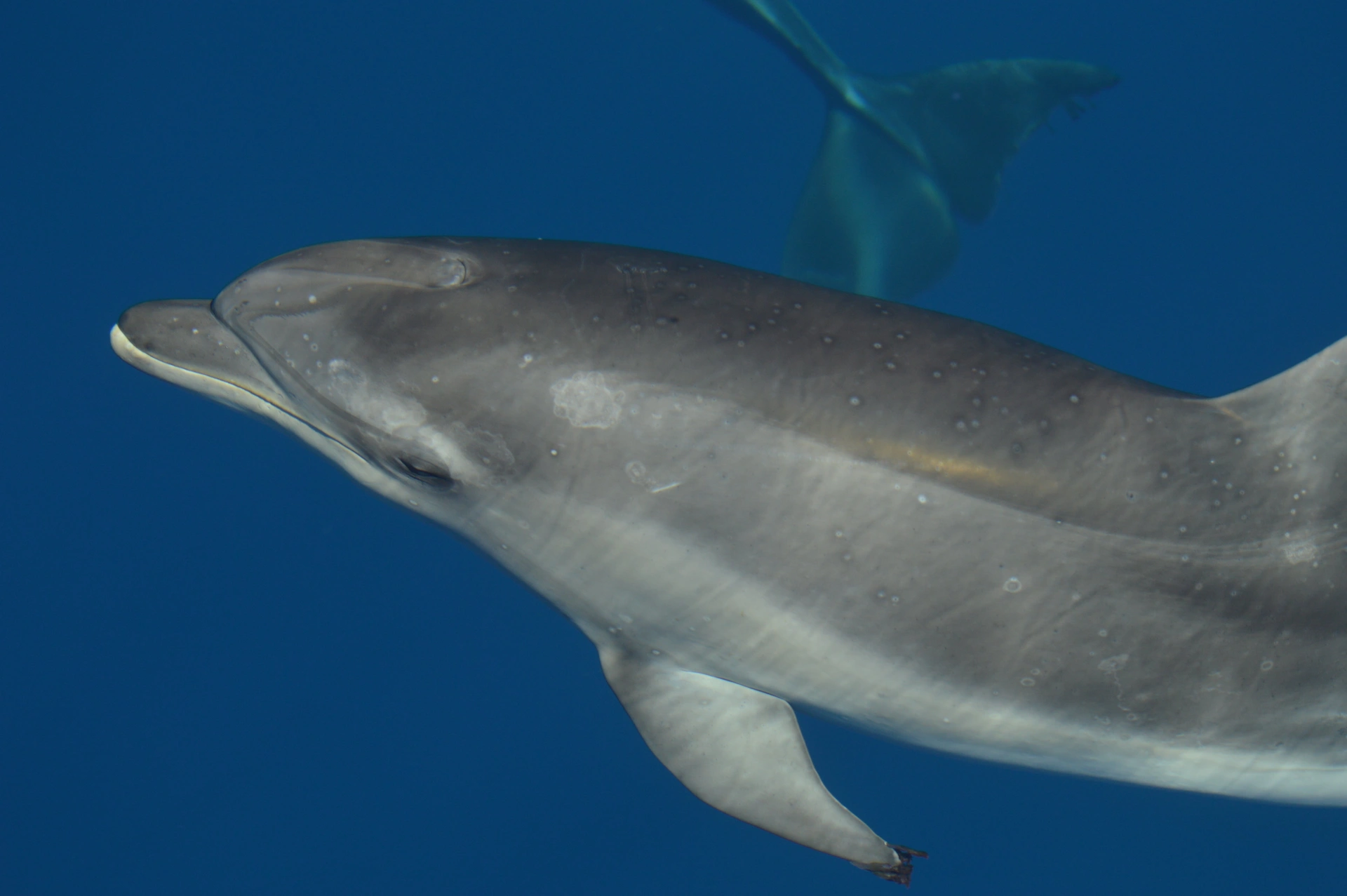
Confident, social, and often curious. Bottlenose dolphins can turn a calm ride into a bright moment — especially when they travel alongside the boat in effortless formation.
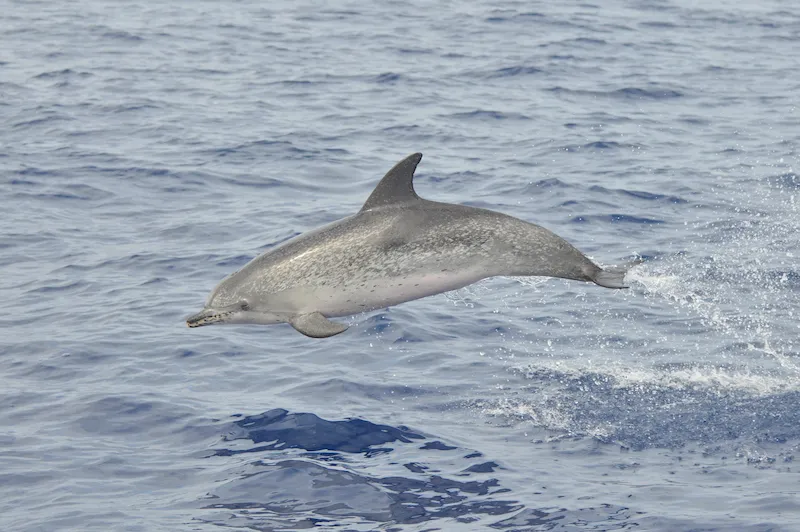
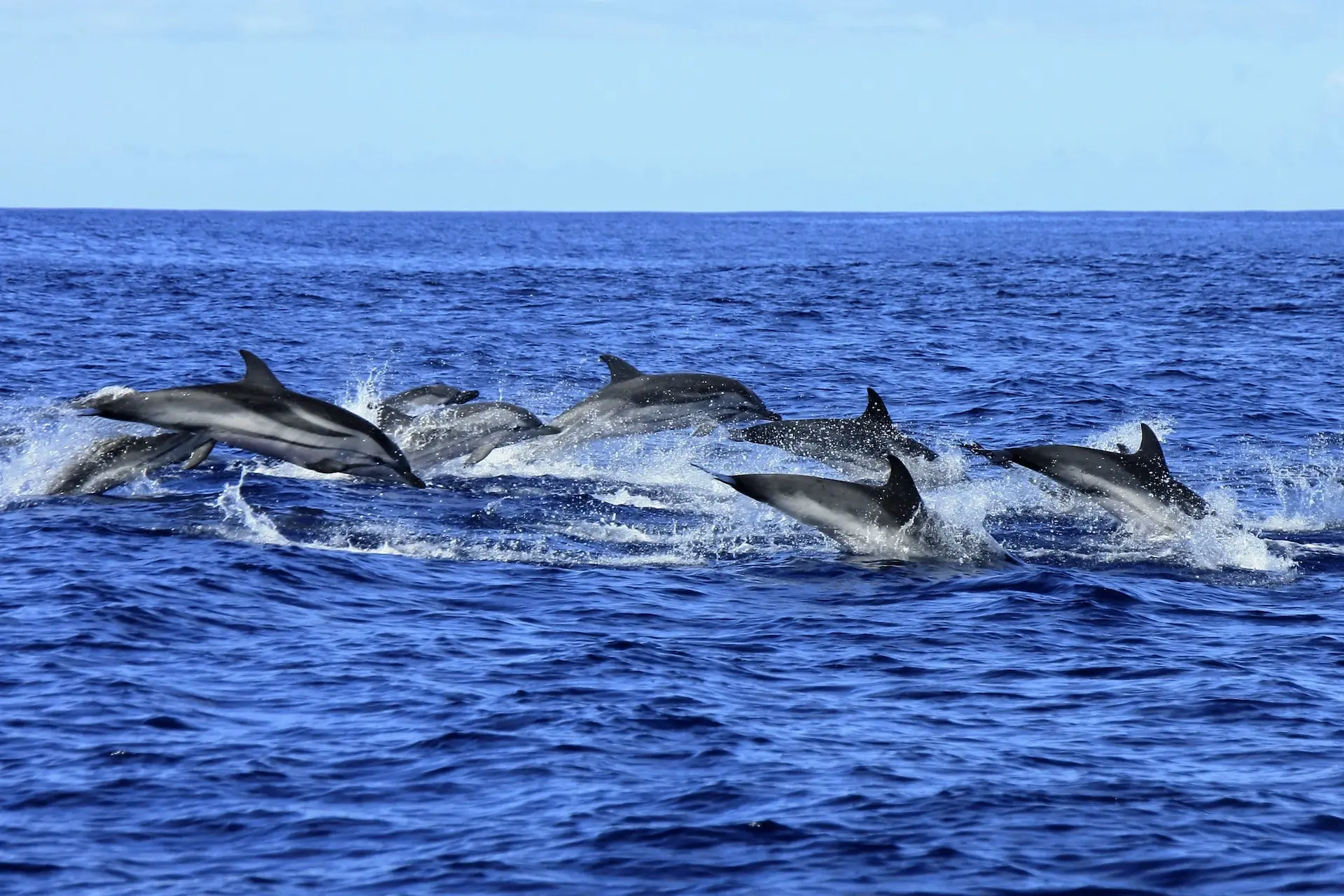
Energy, speed, and sharp turns — this species can feel like ocean choreography. Your guide will point out identifying features and what playful behavior can signal.
A true icon of dolphin watching. Common dolphins often travel in dynamic groups — quick, bright arcs and synchronized movement that looks almost designed.
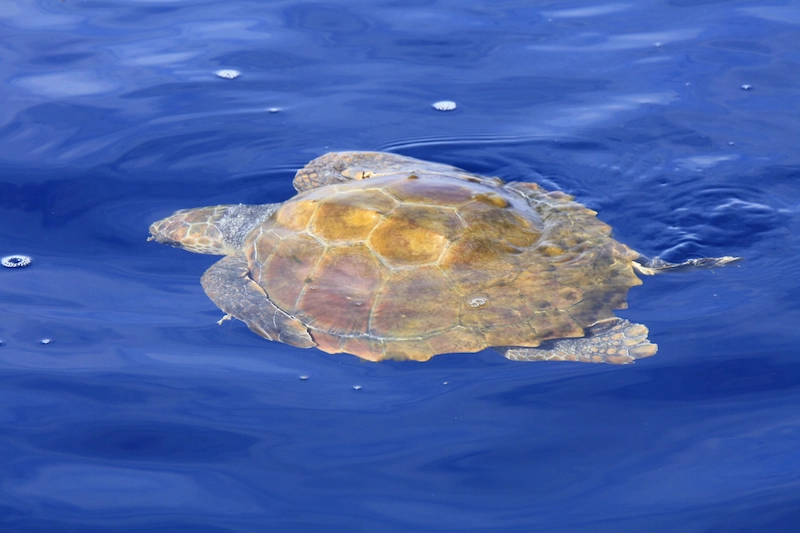
A quiet reminder that the Atlantic is full of ancient travelers. When a turtle surfaces, we slow down, keep distance, and watch the ocean breathe.
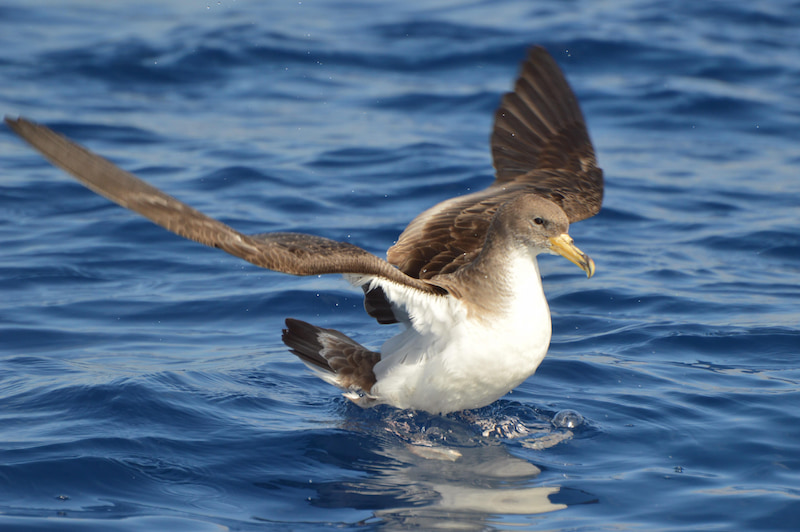
Seabirds are part of the story. Their flight patterns and gathering behavior can reveal ocean activity. Cory’s shearwaters glide inches above the surface — pure geometry, powered by wind.
The best encounters are the ones that don’t change the animal’s day. We keep a respectful distance, avoid chasing behavior, and choose calm positioning — always with wildlife-first decisions.
Smooth navigation to minimize disturbance and stress.
We observe without crowding — the ocean is their home.
Learn what behavior suggests — and when to give space.
We capture moments so you can stay present.
A wildlife tour is only as good as the space it gives you — and the people guiding it. Whale Express is designed for small groups: premium comfort, fast access, and a crew that can turn sightings into understanding.
Our boat is chosen for what matters out at sea: stability, speed when needed, and a close-to-the-water perspective that keeps the experience immersive. With a small group onboard, you’re not fighting for a view — you’re part of it.
We’re a small team that cares about the details: calm boarding, clear communication, and guiding that feels human. A Marine Biologist on board brings context — the why behind what you’re seeing.
Puerto Colón, Costa Adeje — Pontoon 4. Arrive a bit early for relaxed check-in and briefing.
Quick answers about species, Tenerife, and responsible watching.
Wildlife sightings vary by day and conditions. We may encounter different dolphin species, whales, seabirds, or turtles. Your guide will explain identification and behavior as you watch.
Tenerife is known for strong whale watching conditions across seasons. Exact sightings depend on daily ocean conditions, but the island’s marine ecosystem makes it a standout destination.
It can be when done responsibly: calm approach, respectful distance, and wildlife-first decisions. We focus on low-impact observation.
Comfortable clothing, sun protection, and a light jacket (it can be cooler at sea). Arrive a bit early for a relaxed check-in.